Best Wireless Security Cameras (2026)
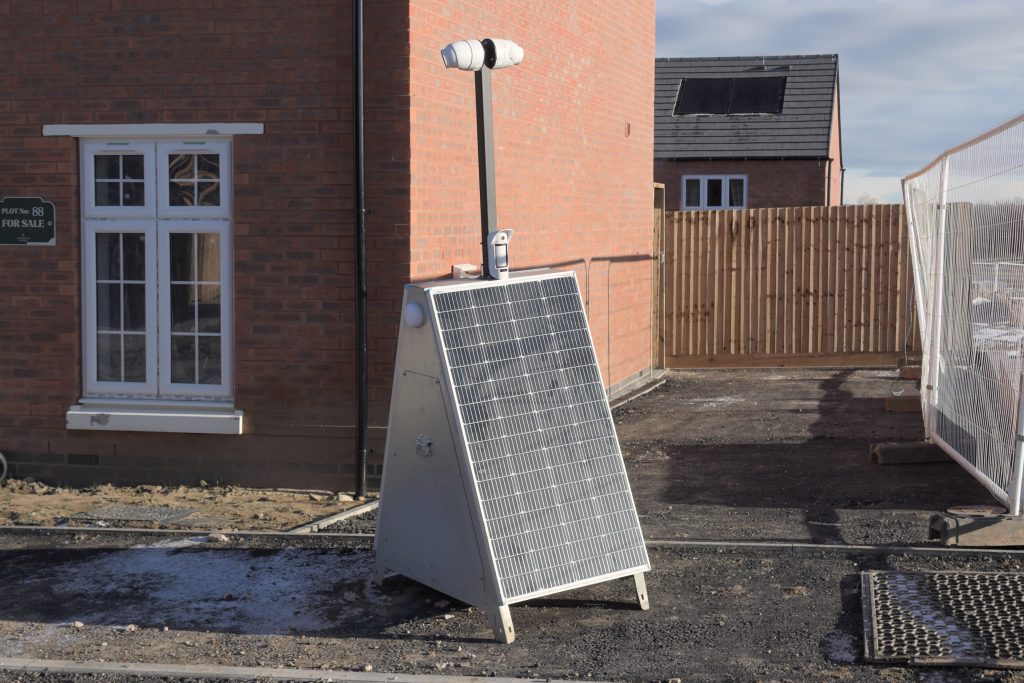
Quick Verdict: The best wireless security camera in 2026 is the Reolink Argus 4 Pro, a battery-and-solar 4K camera with a 180-degree dual-lens view and fee-free local storage. For the longest battery life the Eufy SoloCam S340 runs up to a year per charge, and for renters the Blink Outdoor 4 lasts two years on AA cells at around $100.
Wireless security cameras free you from drilling holes and routing cables — they connect over Wi-Fi and run on rechargeable batteries, often topped up by solar. That makes them ideal for renters and awkward spots, but it also means battery life, Wi-Fi reliability, and storage all become buying decisions. This guide covers the wireless models independent reviewers rate highest in 2026. For the complete picture across every camera type, see our best home security cameras pillar.
Best Wireless Security Cameras at a Glance
| Award | Camera | Best For | Resolution / Power | Price Tier |
|---|---|---|---|---|
| Best Overall | Reolink Argus 4 Pro | Wide 180° view, no fees | 4K / Battery + solar | $$ Mid (around $200) |
| Best Battery Life | Eufy SoloCam S340 | Set-and-forget pan-tilt | 3K / Battery + solar | $$ Mid (around $200) |
| Best for Renters | Blink Outdoor 4 | Easy install, AA battery | 1080p / AA battery | $ Budget (around $100) |
| Best Detection AI | Arlo Pro 5S | Accurate alerts, flexible mount | 2K HDR / Battery or wired | $$ Mid (around $200) |
| Best for Google Homes | Google Nest Cam (Battery) | Google Home + free AI | 1080p / Battery | $$ Mid (around $180) |
| Best Subscription-Free | TP-Link Tapo C460 | One camera, no monthly cost | 4K / Battery + solar | $$ Mid |
| Best Connected System | eufyCam S3 Pro | Whole-home wireless system | 4K / Battery + HomeBase | $$$ Premium |
How We Picked the Best Wireless Cameras
These picks reflect the consensus of SafeWise, Security.org, Consumer Reports, and Tom’s Guide rather than invented hands-on testing. For wireless cameras we weighted battery life, Wi-Fi reliability (Wi-Fi 6 support is a plus at range), resolution balanced against runtime, and whether the camera stores footage without a subscription. Cameras that appeared across multiple independent lists earned a spot. Price tiers are approximate since wireless camera prices shift often.
The Best Wireless Security Cameras — Overviews
Best Overall — Reolink Argus 4 Pro
Best for: Buyers who want the widest wireless coverage and no monthly fees.
The Reolink Argus 4 Pro pairs two lenses into a seamless 180-degree 4K panorama, so one wireless camera covers what would normally take two. ColorX night vision captures color in low light without a constant spotlight, dual-band Wi-Fi 6 keeps the connection reliable at range, and the battery is helped by dropping power-hungry IR. Footage records to a local microSD card with no subscription, and an optional solar panel keeps it charged. It is the most capable wireless camera you can buy without a recurring fee.
Pros:
- 180° dual-lens 4K panorama from one camera
- Wi-Fi 6 for reliable wireless throughput
- ColorX color night vision, no constant spotlight
- Local microSD storage, no subscription, optional solar
Cons:
- 4K recording shortens battery life versus 2K models
- App less refined than Google or Ring
Best Battery Life — Eufy SoloCam S340
Best for: Buyers who want the longest runtime and 360-degree coverage from one unit.
The Eufy SoloCam S340 is rated for up to 365 days per charge — the best battery life among mainstream wireless cameras — and its built-in solar panel needs only about two hours of daily sun to stay powered indefinitely. A dual-lens system pairs a 3K wide-angle view with a telephoto lens for up to 8x zoom, and 360-degree pan plus tilt lets one camera sweep an entire area. Onboard 8GB storage records locally with no fee and survives Wi-Fi outages.
Pros:
- Up to a full year per charge, indefinite with solar
- 360° pan-and-tilt with 8x zoom
- 8GB onboard storage, no subscription
- Keeps recording during Wi-Fi outages
Cons:
- Pan-tilt motor adds a moving part that can wear
- Onboard storage cap suits light-to-moderate use
Best for Renters — Blink Outdoor 4
Best for: Renters who want the simplest wireless install and rare battery swaps.
The Blink Outdoor 4 runs up to two years on two AA lithium batteries, mounts in minutes without tools, and ties into Amazon Alexa. At around $100 it is the most affordable way to add a weather-resistant wireless view, and the optional Sync Module 2 stores clips locally without a subscription. It is the easiest wireless camera here to set up and forget.
Pros:
- Up to two years of battery on AA lithium cells
- Tool-free install, perfect for renters
- Optional local storage via Sync Module 2
- Affordable and Alexa-friendly
Cons:
- 1080p resolution lags 2K/4K rivals
- Cloud history and richer AI need a subscription
Best Detection AI — Arlo Pro 5S
Best for: Buyers who want the most accurate wireless alerts and a swappable mount.
The Arlo Pro 5S leads independent comparisons on detection accuracy. Its 2K HDR sensor delivers color night vision past about 25 feet when the spotlight engages, and the magnetic mount lets you switch between battery and wired power in minutes. AI alerts for people, vehicles, animals, and packages are among the best available, and it works with Alexa, Google Assistant, and HomeKit. The catch is Arlo’s subscription requirement for saved video.
Pros:
- Best-in-class wireless detection accuracy
- 2K HDR with spotlight color night vision
- Magnetic mount swaps battery/wired easily
- Alexa, Google Assistant, and HomeKit support
Cons:
- Saved video and full AI need a subscription
- Higher long-term cost than fee-free brands
Best for Google Homes — Google Nest Cam (Battery)
Best for: Google Home users who want free AI and the smoothest wireless setup.
The wireless Nest Cam (Battery) is the smoothest fit for Google Home households. It runs person, animal, and vehicle detection on-device for free, includes three hours of complimentary event history, and installs without wiring. Nest Aware adds familiar-face recognition, but the free tier is more generous than Ring or Arlo at no cost. Integration with Google displays is seamless.
Pros:
- Best free on-device AI of any brand
- Seamless Google Home integration
- Wire-free battery install
- Three hours of free event history
Cons:
- Familiar-face recognition needs Nest Aware
- 1080p trails 2K/4K rivals
Best Subscription-Free — TP-Link Tapo C460
Best for: Buyers who want one capable wireless camera with no monthly fee.
The TP-Link Tapo C460 earned Wirecutter’s top outdoor pick and a PCMag Editors’ Choice in 2026. It records 4K, runs free on-device person and vehicle detection, supports solar charging, and stores footage to a microSD card. The battery lasts long stretches between charges. For most people who want capability without recurring cost, it is the easiest single wireless camera to recommend.
Pros:
- 4K with free on-device detection
- No subscription for local recording
- Solar charging support
- Award-winning value
Cons:
- Smaller ecosystem than Google or Ring
- Optional cloud backup costs extra
Best Connected System — eufyCam S3 Pro
Best for: Buyers wanting a whole-home wireless system with face recognition and no fees.
The eufyCam S3 Pro with a HomeBase 3 is the best wireless multi-camera system. The cameras shoot 4K with MaxColor night vision, and the HomeBase 3 provides expandable local storage plus cross-camera face recognition — all with no mandatory subscription. It is the right choice when buying three or more wireless cameras at once.
Pros:
- 4K MaxColor night vision
- Cross-camera face recognition via HomeBase 3
- Expandable local storage, no fees
- Scales to a whole-home wireless system
Cons:
- Higher upfront cost with the hub
- Overkill for one or two cameras
What to Look For in a Wireless Security Camera
Battery Life and Solar
Wireless cameras typically last three to six months per charge under average motion, though models like the Eufy SoloCam S340 stretch to a full year. Frequent triggers and 4K recording drain batteries faster. The simplest fix is a solar panel: as little as two hours of daily sun keeps many cameras running indefinitely, eliminating the recharge chore for outdoor placements.
Resolution vs. Runtime
On wireless cameras, resolution is a trade-off. 2K (1440p) is the sweet spot — sharp enough to identify faces while keeping battery drain reasonable. 4K delivers more detail and better zoom but can cut runtime by 30 to 50 percent and demands a strong Wi-Fi signal. If your camera is far from the router, lean toward 2K or ensure Wi-Fi 6 support.
Wi-Fi Reliability
A wireless camera is only as good as its connection. Look for dual-band Wi-Fi and, ideally, Wi-Fi 6 for faster uploads and steadier links at range. Cameras with local storage, like Reolink and Eufy models, keep recording even if the Wi-Fi briefly drops, so you do not lose footage during an outage.
Storage Without Fees
Reolink, Eufy, TP-Link Tapo, and Wyze all let you store footage locally with no subscription, while Ring, Arlo, and Blink generally require a plan to save video. Over two years a subscription can exceed the camera’s price, so factor it in. See our battery camera guide for runtime-focused picks and the no-subscription guide for fee-free options.
Frequently Asked Questions
What is the best wireless security camera in 2026?
The Reolink Argus 4 Pro is the best wireless security camera in 2026 for most buyers. It captures a 180-degree 4K panorama from a dual-lens design, supports Wi-Fi 6 for reliable connectivity, adds ColorX color night vision, and records to a local microSD card with no subscription. An optional solar panel keeps it charged indefinitely. If maximum battery life is your priority, the Eufy SoloCam S340 lasts up to a year per charge, and the Blink Outdoor 4 is the best budget wireless pick for renters.
How long do wireless security camera batteries last?
Most wireless cameras last three to six months per charge under average motion activity, though this varies widely. The Eufy SoloCam S340 is rated for up to 365 days, while the Blink Outdoor 4 runs up to two years on replaceable AA lithium cells. Heavy motion, frequent live viewing, cold weather, and 4K recording all shorten runtime. Adding a solar panel — supported by the Reolink Argus 4 Pro, Eufy SoloCam S340, and TP-Link Tapo C460 — keeps most cameras charged indefinitely with a couple of hours of daily sun.
Do wireless security cameras need Wi-Fi?
Yes, wireless cameras use Wi-Fi for live viewing, alerts, and app access — “wireless” refers to no power cabling, not no network. They do still need a Wi-Fi connection. The good news is that cameras with local storage, such as Reolink and Eufy models, keep recording to a microSD card or hub even if the Wi-Fi drops, so you retain footage during outages. For locations with no Wi-Fi at all, look at 4G LTE cellular cameras instead.
Are wireless cameras less secure than wired ones?
Modern wireless cameras from reputable brands use encrypted connections and are secure for typical home use. The practical trade-offs are battery maintenance and dependence on a stable Wi-Fi signal rather than security per se. Wired cameras avoid battery upkeep and can record continuously, which some buyers prefer for critical areas. For most homes, a quality wireless camera with local storage and encryption offers strong protection with far simpler installation.
Can wireless cameras record 24/7?
Generally no — battery-powered wireless cameras record event-triggered clips rather than continuous footage, because 24/7 recording would drain the battery in hours. They wake on motion, capture the event, and return to standby. If you need true 24/7 continuous recording, choose a wired or PoE camera, or a wireless camera that is permanently solar-powered and configured for continuous capture. For most homes, event-based recording captures everything that matters while preserving battery life.
Final Verdict
For the best wireless security camera in 2026, the Reolink Argus 4 Pro leads: a 4K dual-lens camera with a 180-degree panorama, Wi-Fi 6, color night vision, optional solar, and fee-free local storage. For the longest runtime, the Eufy SoloCam S340 lasts up to a year per charge, and the Blink Outdoor 4 is the easiest budget pick for renters. Compare them against every other type in our best home security cameras pillar, and check Amazon for current pricing.
[Check Price on Amazon — Reolink Argus 4 Pro (Best Overall)]
Last updated: June 2026