Best Solar Security Cameras (2026)
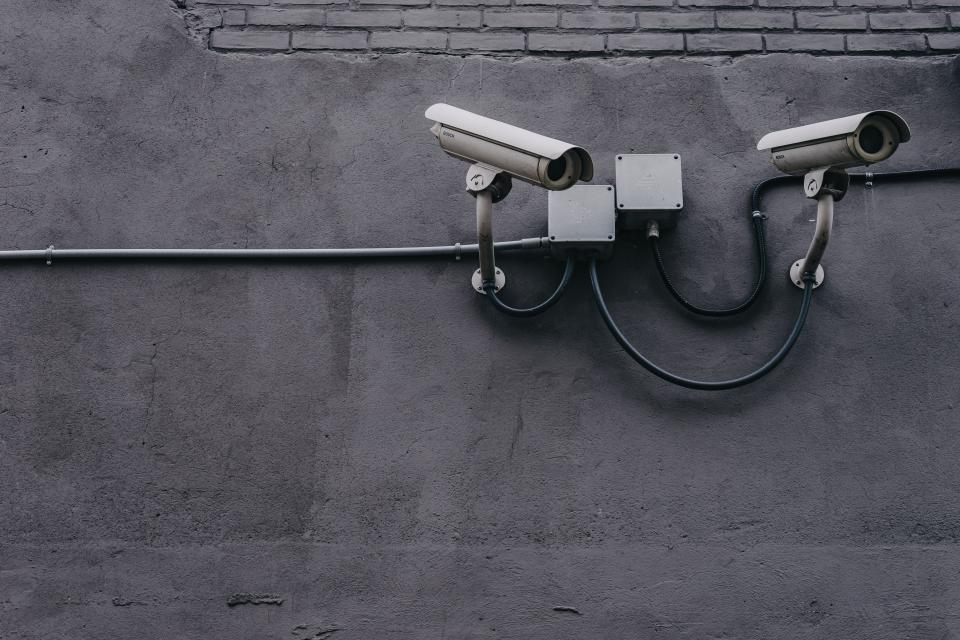
Quick Verdict: The best solar security camera in 2026 is the Reolink Argus 4 Pro, a wireless 4K dual-lens camera whose solar panel needs only about 20 minutes of daily sun to stay charged, with a 180-degree view and fee-free local storage. For built-in solar and the longest battery the Eufy SoloCam S340 leads, and Ring users should look at the Ring Spotlight Cam Plus (Solar).
A solar security camera pairs a rechargeable battery with a small solar panel, so daylight keeps it powered and you never recharge it by hand. That makes it the ideal outdoor camera: all the easy-install freedom of a battery model, none of the recharging chore. This guide ranks the best solar cameras of 2026 and explains how much sun they actually need. For the full lineup across every type, see our best home security cameras pillar, and our related battery cameras guide.
Best Solar Security Cameras at a Glance
| Award | Camera | Best For | Resolution / Solar | Price Tier |
|---|---|---|---|---|
| Best Overall | Reolink Argus 4 Pro | Wide 4K view, no fees | 4K / Optional solar panel | $$ Mid (around $200) |
| Best Built-In Solar | Eufy SoloCam S340 | Set-and-forget, 360° view | 3K / Integrated panel | $$ Mid (around $200) |
| Best Pan-Tilt Solar | Reolink Argus PT Ultra | 355° pan, 4K, minimal sun | 4K / Solar panel | $$ Mid |
| Best for Ring Homes | Ring Spotlight Cam Plus (Solar) | Ring ecosystem users | 1080p / Solar panel | $$ Mid |
| Best Subscription-Free | TP-Link Tapo C460 | One camera, no monthly cost | 4K / Solar support | $$ Mid |
| Best Connected System | eufyCam S3 Pro | Whole-home solar system | 4K / Solar-compatible | $$$ Premium |
| Best Detection AI | Arlo Pro 5S (+ solar panel) | Accurate alerts, solar add-on | 2K HDR / Solar add-on | $$ Mid (around $200) |
How We Picked the Best Solar Cameras
These picks synthesize the consensus of SafeWise, Bob Vila, OutdoorTechLab, and AboutDarwin solar roundups rather than invented testing. For solar cameras we weighted solar charging efficiency (how little sun keeps the camera running), battery capacity, resolution, weather resistance, and fee-free storage. We note whether the solar panel is included or sold separately. Cameras appearing across multiple independent lists earned a place. Prices are approximate since they fluctuate.
The Best Solar Security Cameras — Overviews
Best Overall — Reolink Argus 4 Pro
Best for: Buyers who want the widest 4K solar coverage with no fees.
The Reolink Argus 4 Pro is the best overall solar camera. Its dual-lens design produces a 180-degree 4K panorama, and because it uses efficient ColorX night vision instead of power-hungry IR, the optional solar panel needs very little sun — Reolink notes as little as around 20 minutes of daily sunlight can keep similar models topped up. It records to a local microSD card with no fee. For maximum coverage and detail on solar power, it leads.
Pros:
- 180° dual-lens 4K panorama
- Very efficient solar charging needs minimal sun
- ColorX color night vision
- Local microSD storage, no subscription
Cons:
- Solar panel may be a separate purchase depending on bundle
- App less polished than Google or Ring
Best Built-In Solar — Eufy SoloCam S340
Best for: Buyers who want solar built in and the least maintenance.
The Eufy SoloCam S340 has the solar panel built right into the camera, so there is no separate panel to mount. Just two hours of direct daily sun keeps it continuously powered, and it is rated for up to 365 days per charge even without much sun. It adds 360-degree pan-and-tilt, 3K dual-lens video with 8x zoom, and 8GB of fee-free onboard storage. It is the most hands-off solar camera here.
Pros:
- Solar panel integrated into the camera
- Just two hours of daily sun keeps it powered
- 360° pan-and-tilt with 8x zoom
- 8GB onboard storage, no fee
Cons:
- Built-in panel limits where you can position the lens vs. sun
- Onboard storage cap suits light-to-moderate use
Best Pan-Tilt Solar — Reolink Argus PT Ultra
Best for: Buyers who want 4K, wide pan-tilt coverage, and minimal sun needs.
The Reolink Argus PT Ultra pairs a 4K sensor with 355-degree pan and 140-degree tilt, so one solar camera can monitor a large yard that would otherwise need several. Dual-band Wi-Fi 6 keeps the connection reliable, and its solar efficiency is outstanding — about 20 minutes of daily sun keeps it operational. It stores footage locally with no fee. For sweeping coverage on solar, it is the standout.
Pros:
- 4K with 355° pan and 140° tilt
- Excellent solar efficiency, minimal sun needed
- Wi-Fi 6 for reliable connection
- Local storage, no subscription
Cons:
- Pan-tilt motor is a moving part that can wear
- Solar panel sold with or separate depending on bundle
Best for Ring Homes — Ring Spotlight Cam Plus (Solar)
Best for: Households already using Ring and Alexa.
The Ring Spotlight Cam Plus (Solar) is the best solar choice for Ring households. It pairs a 1080p camera with a bright spotlight and a solar panel that keeps the battery charged, and integrates seamlessly with the Ring app and Alexa. The spotlight doubles as a deterrent and enables color night view. The trade-off is Ring’s reliance on a Ring Protect subscription to save recorded video.
Pros:
- Solar-charged with a bright deterrent spotlight
- Seamless Ring and Alexa integration
- Color night view via spotlight
- Reliable app and notifications
Cons:
- Requires Ring Protect to save video
- 1080p trails 2K/4K rivals
Best Subscription-Free — TP-Link Tapo C460
Best for: Buyers who want one capable solar camera with no monthly fee.
The TP-Link Tapo C460 earned Wirecutter’s top outdoor pick and a PCMag Editors’ Choice in 2026, and it supports solar charging to keep its long-life battery topped up. It records 4K, runs free on-device person and vehicle detection, and stores footage to a microSD card with no fee. For one fee-free solar camera that just works, it is the easiest pick.
Pros:
- 4K with free on-device detection
- Solar charging support
- Local microSD storage, no fee
- Award-winning value
Cons:
- Solar panel sold separately
- Smaller ecosystem than Google or Ring
Best Connected System — eufyCam S3 Pro
Best for: Buyers wanting a solar-compatible whole-home system with no fees.
The eufyCam S3 Pro with a HomeBase 3 is the best solar-compatible system. The 4K cameras accept eufy solar panels to stay charged, and the HomeBase 3 provides expandable local storage plus cross-camera face recognition with no mandatory fee. It is ideal when outfitting several outdoor spots with solar at once.
Pros:
- 4K MaxColor night vision, solar-compatible
- Cross-camera face recognition, no fees
- Expandable local storage on HomeBase 3
- Scales to a whole-home solar system
Cons:
- Higher upfront cost with hub and panels
- Overkill for one camera
Best Detection AI — Arlo Pro 5S (with Solar Panel)
Best for: Buyers who want the most accurate alerts on a solar setup.
The Arlo Pro 5S, paired with an Arlo solar panel, combines top-rated detection accuracy with hands-off solar power. Its 2K HDR sensor adds spotlight-assisted color night vision, the magnetic mount makes positioning easy, and it works with Alexa, Google Assistant, and HomeKit. The catch is Arlo’s subscription requirement to save recorded video and unlock the full AI suite.
Pros:
- Best-in-class detection accuracy
- Solar panel keeps it charged hands-free
- 2K HDR with spotlight color night vision
- Works with Alexa, Google, and HomeKit
Cons:
- Saved video and full AI need an Arlo Secure plan
- Solar panel sold separately
What to Look For in a Solar Security Camera
Solar Charging Efficiency
The key spec is how much sun the camera needs to stay charged. Efficient models like the Reolink Argus 4 Pro and Argus PT Ultra need as little as 20 minutes to a couple of hours of daily sun, while the Eufy SoloCam S340 needs about two hours. If your mounting spot only gets partial or indirect light, prioritize the most efficient cameras and a panel you can angle toward the sun.
Included vs. Separate Solar Panel
Some cameras include the solar panel (Eufy SoloCam S340 has it built in), while others sell it separately (Reolink, Tapo, Arlo). Factor the panel cost into your budget, and check the connector and cable length so the panel reaches a sunny spot from the camera’s location.
Battery Capacity as a Buffer
Solar keeps the battery topped up, but a larger battery is a buffer for cloudy stretches. Cameras with high-capacity batteries — like those rated for many months without any sun — coast through overcast weeks easily. The Eufy SoloCam S340’s up-to-365-day rating means it stays powered even through a long cloudy spell.
Storage and Fees
As with all outdoor cameras, check whether the camera saves footage for free. Reolink, Eufy, and TP-Link Tapo store locally with no fee, while Ring and Arlo require a subscription. See our no-subscription guide for fee-free options and our outdoor guide for placement advice.
Frequently Asked Questions
What is the best solar security camera in 2026?
The Reolink Argus 4 Pro is the best solar security camera in 2026 for most buyers. It records 4K from a dual-lens 180-degree design, uses efficient ColorX night vision so its solar panel needs very little sun, and stores footage locally with no fee. If you prefer solar built into the camera, the Eufy SoloCam S340 has an integrated panel and needs just two hours of daily sun, and Ring households should choose the Ring Spotlight Cam Plus (Solar).
How much sunlight does a solar security camera need?
Less than most people expect. Efficient models like the Reolink Argus 4 Pro and Argus PT Ultra can stay charged with as little as 20 minutes to a couple of hours of direct sun per day, and the Eufy SoloCam S340 needs about two hours. Even indirect or ambient light contributes some charge. For best results, aim the solar panel south (in the Northern Hemisphere) at a spot that gets a few hours of direct sun, and the camera should run indefinitely.
Do solar security cameras work on cloudy days?
Yes. Solar cameras store charge in a battery, so they keep running through cloudy days and at night using the reserve. A few overcast days will not drain a camera with a healthy battery, and even diffuse daylight provides some charge. Cameras with large batteries — like the Eufy SoloCam S340, rated for up to a year without sun — coast through extended cloudy spells with no issue. In very low-sun climates, choose a model with high battery capacity as a buffer.
Are solar security cameras worth it?
For outdoor use, yes. A solar camera gives you all the easy-install flexibility of a battery model without the recurring chore of recharging — once mounted in a spot with some daylight, it effectively runs forever. The small added cost of the solar panel pays for itself in convenience, and pairing solar with a fee-free brand like Reolink or eufy means the camera has essentially no ongoing cost at all. The main caveat is that the mounting location needs at least some direct sun.
Can I add a solar panel to my existing battery camera?
Often yes, if the manufacturer offers a compatible panel. Brands like Reolink, eufy, Arlo, Ring, and TP-Link Tapo sell solar panels designed for their battery cameras, using a matching connector. Before buying, confirm the panel is made for your exact model and that the cable reaches a sunny spot. Adding a compatible panel transforms a recharge-it-yourself battery camera into a maintenance-free solar one.
Final Verdict
For the best solar security camera in 2026, the Reolink Argus 4 Pro leads: a 4K dual-lens camera with a 180-degree view, highly efficient solar charging, and fee-free local storage. For built-in solar and the longest battery buffer, the Eufy SoloCam S340 is the most hands-off, and Ring users should choose the Ring Spotlight Cam Plus (Solar). Compare them against every other camera type in our best home security cameras pillar, and check Amazon for current pricing.
[Check Price on Amazon — Reolink Argus 4 Pro (Best Overall)]
Last updated: June 2026