Deciding on a security system brings up a ton of questions, but one of the most fundamental debates I hear from homeowners and business managers alike is this: Should Security Cameras Be Visible Or Hidden? It’s a question that goes beyond simple hardware choices. We’re talking about psychology, strategy, and what you truly want to achieve with your surveillance. Is the goal to shout “You’re being watched!” from the rooftops to scare off potential intruders, or is it to be a silent, unseen witness, gathering evidence without anyone knowing?
Let’s be honest, there’s no single “right” answer. The best strategy for a retail store trying to prevent shoplifting will be vastly different from a family wanting to discreetly check on a new babysitter. As the lead consultant at Security Camera On, I’ve helped countless people navigate this choice. So, let’s break it down, ditch the jargon, and figure out the perfect approach for you.
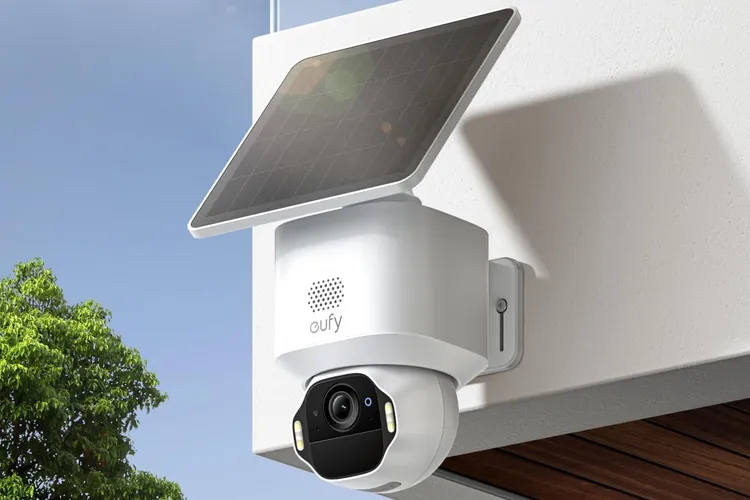
The Power of Presence: Why Visible Security Cameras Work
Think of a visible security camera like a scarecrow in a field. Its primary job isn’t to catch the crow, but to convince the crow to never land in the first place. This is the core philosophy behind overt, or visible, surveillance.
Psychological Deterrence: The Unspoken Warning
When I installed my first outdoor camera, I spent an entire afternoon debating this very question. I ultimately placed a prominent dome camera right above my garage. Why? Because most opportunistic criminals are looking for an easy target. A study from the University of North Carolina at Charlotte found that a majority of convicted burglars would try to determine if a home had an alarm or cameras, and if they did, they would simply move on to another target.
A visible camera changes the risk-reward calculation for a potential intruder. Suddenly, the risk of being identified skyrockets, and the reward of a quick, anonymous break-in plummets.
This principle of deterrence is incredibly powerful. A would-be thief who sees a camera doesn’t know if it’s recording, if it’s monitored live, or if it has an audible alarm. The uncertainty alone is often enough to make them reconsider.
Visible cameras are most effective for:
- Preventing break-ins: Placed at key entry points like front doors, back doors, and ground-floor windows.
- Deterring vandalism: Protecting property from graffiti or damage.
- Promoting good behavior: Encouraging employees or customers to be on their best behavior in a retail or office setting.
Legal Simplicity and Transparency
Another significant advantage of visible cameras is legal clarity. When cameras are out in the open, there’s no ambiguity. People entering your property are implicitly aware that they are being recorded. This is particularly important for businesses, as it helps avoid complex legal issues surrounding privacy and consent that can arise with hidden recording.
The Undercover Advantage: When Hidden Cameras Are a Smarter Choice
Now, let’s flip the script. Sometimes, you don’t want to scare the crows away. You want to know exactly which crow is stealing the corn. This is where covert, or hidden, cameras shine.
Catching the Act, Not Just Scaring Away
If your problem is less about random external threats and more about specific, ongoing internal issues, a visible camera might just teach the culprit to be more careful. Think about these scenarios:
- Internal Theft: You suspect an employee is stealing from the cash register or inventory. A visible camera will likely stop them, but you’ll never confirm who it was. A hidden camera can provide irrefutable proof.
- Nanny Cams: The term itself explains the purpose. Parents use hidden cameras to ensure their children are being cared for properly and to monitor for any signs of neglect or abuse. The goal is to see natural, unfiltered behavior.
- Recurring Vandalism: If someone is repeatedly damaging your property and a visible camera hasn’t stopped them, a hidden camera can help you identify the person responsible so you can take legal action.
The primary function of a hidden camera is evidence gathering. It sacrifices deterrence for the ability to capture an event without the subject altering their behavior.
Aesthetics and Protecting the Camera Itself
Let’s face it, some security cameras can be bulky and unattractive, clashing with the carefully designed aesthetic of a high-end home or a boutique hotel. Hidden cameras—disguised as smoke detectors, clocks, or photo frames—allow you to maintain security without sacrificing style.
Furthermore, a clever intruder might try to disable or destroy a visible camera before entering. A hidden camera is much less likely to be found and tampered with, ensuring it captures the crucial moments of a break-in.
Why Not Both? The Strategic Hybrid Approach
For many, the debate over should security cameras be visible or hidden isn’t an either/or question. The most robust and effective security strategies often employ a mix of both. This layered approach gives you the best of both worlds.
Think of it like a castle’s defenses. You have the high walls and the visible guards (your overt cameras) to deter the main army. But you also have hidden traps and secret passages (your covert cameras) to catch anyone who manages to slip past the first line of defense.
A practical hybrid setup might look like this:
- Visible Deterrents: Install prominent dome or bullet cameras at all major entry points—front door, back patio, garage. Make them obvious.
- Hidden Witnesses: Place a discreet, hidden camera covering a particularly valuable area inside, like a safe, a jewelry box, or a home office with sensitive documents.
This way, you scare off the vast majority of threats while still having a secret weapon in place to catch the determined few who aren’t deterred.
How Do I Decide if My Security Cameras Should Be Visible or Hidden?
To make the right choice, you need to answer a few key questions about your specific needs. Here’s a simple checklist to guide you:
- What is your primary security goal?
- If it’s prevention and deterrence, you want visible cameras. You’re trying to stop an event before it happens.
- If it’s evidence and identification, you need hidden cameras. You’re trying to catch someone in a specific act.
- Where is the area of concern?
- For exterior and main entry points, visible cameras are almost always the better choice.
- For sensitive interior areas where you suspect specific wrongdoing, a hidden camera may be necessary.
- Who are you monitoring?
- If you’re worried about unknown, external threats (e.g., burglars, vandals), go visible.
- If you’re concerned about the actions of known individuals (e.g., an employee, a caregiver), hidden may be more effective.
- What are the local laws?
- This is non-negotiable. Before installing any camera, especially a hidden one that might record audio, you must check your local and state laws regarding surveillance and consent. Ignorance of the law is not a defense.
“The biggest mistake people make is choosing a camera type before defining their security objective. A camera is a tool. First, decide what job you need done—scaring someone away or catching them red-handed. The right tool for the job will then become obvious.”
— James Caldwell, Certified Security Professional
Frequently Asked Questions
1. Are hidden cameras legal to use in my own home?
Generally, it is legal to install hidden video cameras in your own home in common areas. However, it is illegal to place them in areas where there is a “reasonable expectation of privacy,” such as bathrooms or bedrooms. Laws vary significantly by state, especially concerning audio recording, so always consult local regulations.
2. Do fake or “dummy” cameras actually work as a deterrent?
Dummy cameras can be a cheap deterrent against unsophisticated, opportunistic criminals. However, experienced burglars can often spot a fake by looking for tell-tale signs like no wiring, a lack of a small indicator light, or a generic, cheap design. For real security, a real camera is always the superior investment.
3. Can a visible camera be easily disabled by an intruder?
It depends on the placement and type. A low-hanging, wired camera could have its wires cut. That’s why professional installation often involves placing cameras out of easy reach and protecting the wiring. Many modern wireless cameras with cloud storage will still save footage of the intruder right up until the moment they are disabled.
4. What is the best place to put a visible security camera?
The most effective locations are focused on points of entry. This includes your front door (high enough to see faces but not so high that a baseball cap obscures them), back door, ground-floor windows (especially those hidden from the street), and your garage or driveway.
5. What about audio recording on security cameras?
Audio recording is much more legally restricted than video. Many states are “two-party consent” states, meaning you must have permission from everyone involved to record a conversation. Because of this legal complexity, it’s often safest to disable the audio recording feature on your outdoor security cameras.
The Final Verdict
So, should security cameras be visible or hidden? The answer, as you’ve seen, lies in your strategy. There is no magic bullet. For broad protection and peace of mind, visible cameras are your frontline soldiers, actively deterring trouble. For specific, sensitive problems, hidden cameras are your secret agents, gathering the intelligence you need.
By understanding the strengths of each approach and honestly assessing your own security goals, you can move beyond the simple hardware and design a surveillance system that is not only effective but perfectly tailored to protecting what matters most to you. Start planning your perfect security layout today, and build a system that brings you true peace of mind.