Let’s talk about your front door. It’s the gateway to your home, the first line of defense, and frankly, the busiest piece of real estate you own. Getting the Security Camera Placement For Front Door areas right isn’t just a tech chore; it’s the single most important step in building a visible and effective layer of home security. But where do you even start? Mount it too low, and it’s an easy target. Too high, and you’ll only get a great view of the top of people’s heads. Don’t worry, we’re going to break it all down, step-by-step.
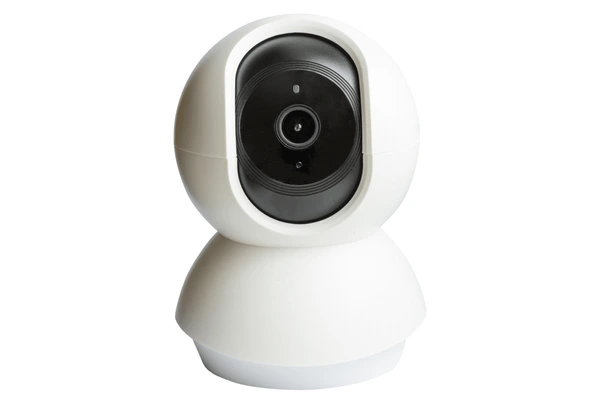
Why Your Front Door Camera Placement Matters So Much
Your front door is the primary entry point not just for friends and family, but for potential intruders and pesky package thieves. A well-placed camera does more than just record events; it acts as a powerful deterrent. Think about it: a would-be burglar casing a neighborhood will almost always choose the path of least resistance. A visible, professionally-placed camera sends a clear message: “You are being watched. Move along.”
Proper security camera placement for front door protection ensures you capture clear, usable footage. This is critical for identifying individuals and providing evidence to law enforcement if an incident occurs. It’s the difference between a blurry, useless clip and a high-definition video that leads to a resolution.
The Golden Rules: Where to Place Your Security Camera
Finding the sweet spot for your camera involves a blend of science and strategy. It’s about maximizing visibility while minimizing vulnerability. Let’s get into the specifics.
The Height Dilemma: How High Should You Go?
This is the question I get asked most often. The ideal height for a front door security camera is between 8 and 10 feet (about 2.5 to 3 meters) off the ground.
- Why this height? It’s the Goldilocks zone. It’s high enough to be out of easy reach for a casual vandal but low enough to capture facial features clearly, rather than just the crown of a person’s head.
- If you mount it lower (e.g., a doorbell camera): You get excellent facial views but it’s more vulnerable to being tampered with or covered.
- If you mount it higher: You get a wider overview but sacrifice crucial detail.
My personal experience taught me this the hard way. My first camera was mounted just above the door frame, around 7 feet. It worked, but a tall person wearing a baseball cap could easily obscure their face. Moving it up to 9 feet made all the difference.
Angle is Everything: Getting the Perfect Shot
Once you’ve settled on the height, the angle is your next critical decision. You want to aim the camera downwards at a slight angle. This ensures you capture the face of anyone approaching your door.
Your goal is to cover the key zones:
- The doormat and immediate doorstep.
- The entire porch or stoop area.
- The walkway or path leading up to your door.
A camera with a wide field of view (FOV)—essentially its peripheral vision—is a huge asset here. Look for cameras with at least a 130-degree FOV to minimize blind spots right next to your wall.
Battling the Elements and Glare
Outdoor cameras are tough, but they aren’t invincible. The environment plays a huge role in their performance.
- Avoid Direct Sunlight: Pointing a camera directly into the sun, especially during sunrise or sunset, will cause lens flare and “wash out” the image, making it useless. If possible, position it where the sun will be behind or to the side of the camera for most of the day.
- Use Overhangs: Mounting the camera under an eave, porch roof, or a small purpose-built housing offers protection from rain, snow, and direct sun. This not only protects the hardware but also keeps the lens clear for better footage.
- Check for Light Sources at Night: Be mindful of porch lights. A bright light right next to the camera lens can create glare and interfere with the camera’s night vision. Look for cameras with good Wide Dynamic Range (WDR) technology, which helps balance the bright and dark areas of a scene.
“The best security camera is one that’s seen. Its primary job is deterrence. The placement should be obvious enough to discourage a potential intruder, but secure enough that it can’t be easily disabled.” – Dr. Evelyn Reed, Security Systems Analyst
Common Mistakes to Avoid with Front Door Camera Placement
Knowing what not to do is just as important as knowing what to do. Here are a few common pitfalls I’ve seen over the years.
Creating Unintentional Blind Spots
The most common mistake is assuming one camera can see everything. The area directly underneath the camera is often a blind spot. A person could potentially press themselves against the wall under the camera to avoid detection. This is why a combination of an overhead camera and a video doorbell can be a very effective strategy.
Forgetting About Your Wi-Fi Signal
For wireless cameras, this is a deal-breaker. A beautiful 4K camera is worthless if its Wi-Fi signal is weak and constantly dropping. Before you drill any holes, take your smartphone to the proposed installation spot and run a Wi-Fi speed test. You need a strong, stable signal for reliable video streaming, especially for high-resolution cameras.
Ignoring Privacy and Legalities
Your camera should focus on your property. Be a good neighbor and avoid pointing your camera directly into a neighbor’s windows, yard, or front door. In many regions, there are strict laws regarding recording audio without consent and monitoring areas where people have a reasonable expectation of privacy. Always check your local regulations.
What Type of Camera Works Best for the Front Door?
The perfect security camera placement for front door coverage often depends on the type of camera you choose.
- Video Doorbells: These are incredibly popular for a reason. They replace your existing doorbell and provide a low-angle view perfect for seeing faces and talking to visitors through two-way audio. They are excellent for monitoring packages.
- Bullet Cameras: These are the traditional, oblong-shaped cameras. They are highly visible, which is great for deterrence, and their shape makes them easy to point precisely where you need them.
- Dome Cameras: These are more discreet and vandal-resistant. The tinted dome makes it difficult for people to know exactly where the lens is pointing, which is a psychological advantage.
Often, the best solution is a hybrid one: a video doorbell for up-close interaction and package monitoring, combined with a higher-mounted bullet or dome camera for a broader overview and to cover the doorbell’s blind spots.
Frequently Asked Questions (FAQ)
Q: Can a front door camera be mounted too high?
A: Yes, absolutely. Mounting a camera too high (e.g., on a second-story eave to watch the front door) will give you a wide overview but will fail to capture the necessary facial details for identification. Stick to the recommended 8-10 foot height for the best balance.
Q: Should my security camera be visible or hidden?
A: For a front door, visible is almost always better. The primary benefit is deterrence. A visible camera can stop a crime before it even happens. Hiding a camera is more suited for covert surveillance, which is typically not the main goal at a primary entrance.
Q: How do I power an outdoor camera at my front door?
A: You have several options. Wire-free cameras run on rechargeable batteries. Wired options can be powered by plugging into a nearby outdoor outlet or by running a power cable through the wall to an indoor outlet. Power over Ethernet (PoE) cameras use a single cable for both power and data, offering a very reliable connection.
Q: What’s the best field of view for a front door camera?
A: Aim for a field of view between 130 and 160 degrees. This is wide enough to capture your entire porch and approach without creating a distorted “fisheye” effect. Anything less than 110 degrees might create significant blind spots on the sides.
Q: Do I need a camera with color night vision?
A: While traditional black-and-white infrared night vision is effective, color night vision provides significantly more detail. Being able to identify the color of a person’s clothing or vehicle can be crucial information. If your budget allows, it is a highly recommended feature.
Your Front Door: Secured and Smart
Ultimately, the perfect security camera placement for front door areas is about creating peace of mind. By taking the time to consider height, angle, and potential obstacles, you’re not just installing a piece of tech; you’re building a proactive security system that protects your home and family. It transforms your front door from a simple entrance into a well-monitored, secure threshold. Start planning your setup today, and take the first step towards a safer, more secure home.