Let’s be honest, running wires is a pain. Whether you’re drilling through brick or trying to hide cables along your siding, it’s a chore nobody enjoys. But what if you need to watch over a part of your property that’s just too far from a power outlet? Finding the Best Solar Powered Security Camera isn’t just a convenience; it’s a game-changer for true, untethered home security. It’s about placing your eyes exactly where you need them—the back gate, the detached garage, the barn, or even up a tree watching your driveway—without being limited by the length of a power cord.
Why Go Solar for Your Security Camera?
The number one reason people hesitate to install outdoor cameras is the complexity of wiring. I remember installing my first security camera years ago; it involved a drill, a lot of sealant, and a weekend I’ll never get back. A solar-powered camera sidesteps that entire nightmare. But the benefits go far beyond just an easy installation.
- Ultimate Placement Freedom: Put it anywhere the sun shines. You’re not tied to your home’s electrical grid. This is perfect for large properties, farms, or monitoring construction sites.
- Eco-Friendly and Cost-Effective: Harnessing the sun’s power means you’re not adding to your electricity bill. It’s a small step for the environment and a smart move for your wallet.
- Reliability During Power Outages: When the power goes out, often due to a storm or other emergency, traditional cameras go dark. A solar camera with a charged battery keeps watch, providing security when you need it most.
- Simple, DIY Installation: Most models are designed for a quick setup. If you can mount a birdhouse, you can install a solar-powered security camera.
What Types of Solar Security Cameras Are Out There?
The market has exploded with options, which is great, but it can also be a bit overwhelming. Generally, they fall into a few key categories.
Fixed (or Bullet) Cameras
These are your classic, straightforward security cameras. They point in one direction and are excellent for monitoring specific entry points like a front door, a gate, or a specific window. Their simplicity is their strength.
Pan-Tilt-Zoom (PTZ) Cameras
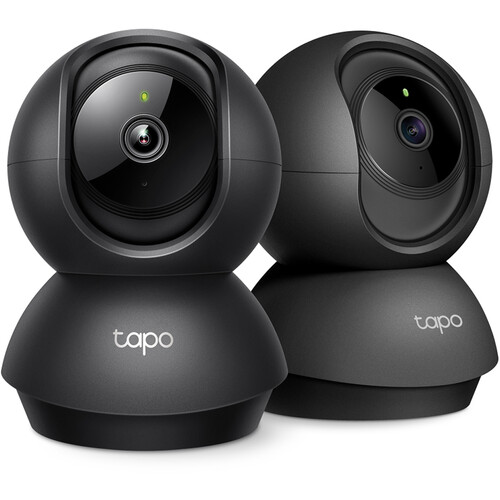
Want to cover a wide area with a single device? A PTZ camera is your answer. You can remotely control it to pan left and right, tilt up and down, and zoom in on specific points of interest. They are ideal for monitoring large backyards, parking areas, or open fields.
Bảng trống.Cameras with Cellular Connectivity (4G/5G)
What about a location with sun but no Wi-Fi? Think remote cabins, RVs, or boat docks. Cellular-enabled solar cameras are the solution. They use a SIM card and a mobile data plan to transmit footage, giving you complete off-grid surveillance capabilities.
How to Choose the Best Solar Powered Security Camera: Your Ultimate Checklist
Finding the right camera comes down to matching its features to your specific needs. It’s not about getting the one with the most bells and whistles; it’s about getting the one that does exactly what you need it to do, reliably. Let’s break down the critical factors.
Resolution and Field of View: Seeing the Bigger Picture
What good is a security camera if you can’t make out a face or a license plate?
- 1080p (Full HD): This is the baseline standard. It’s clear enough for general monitoring.
- 2K or 4K (Ultra HD): If you need to capture fine details from a distance, investing in a higher resolution is worth it. You’ll be able to zoom in on recorded footage with much greater clarity.
- Field of View: This is how wide the camera’s lens can see, measured in degrees. A wider field of view (e.g., 130° or more) means you can cover more area with a single camera.
Night Vision: Who Goes There in the Dark?
Security threats don’t stop when the sun goes down. There are two main types of night vision:
- Infrared (IR) Night Vision: This is the classic black-and-white view. It uses infrared LEDs to illuminate the area, which are invisible to the human eye but picked up by the camera sensor.
- Color Night Vision: Some modern cameras use highly sensitive sensors or have small, built-in spotlights that activate with motion, allowing them to record in full color at night. This can be crucial for identifying the color of a car or a person’s clothing.
Battery and Solar Panel Efficiency: The Power Duo
This is the heart and soul of a solar camera. A big battery is useless without a good solar panel, and vice versa.
- Battery Capacity: Look for the capacity listed in milliamp-hours (mAh). A higher number (e.g., 10,000mAh or more) generally means a longer time between charges.
- Solar Panel Wattage: A higher wattage panel (e.g., 5W vs. 3W) will recharge the battery faster, which is critical if you live in an area with frequent cloudy days. Some cameras come with an integrated panel, while others have a separate panel connected by a cable for optimal placement.
“I always advise clients to place the solar panel in a location that gets at least 4-5 hours of direct, unfiltered sunlight per day. Don’t just stick it next to the camera if that spot is in the shade for half the day. Use the extension cable—that’s what it’s for.” – Michael Chen, Certified Security Integration Specialist
Smart Features: More Than Just a Pretty Picture
Modern cameras are packed with intelligent features that reduce false alerts and provide more context.
- PIR Motion Detection: A Passive Infrared (PIR) sensor detects body heat, meaning you’re less likely to get an alert from a tree branch swaying in the wind.
- AI Detection: More advanced cameras can differentiate between people, vehicles, and animals, so you can choose to only be notified about what truly matters.
- Two-Way Audio: A built-in microphone and speaker let you hear what’s happening and speak through the camera. It’s perfect for scaring off intruders or telling the delivery driver where to leave a package.
Storage Options: Where Do Your Recordings Go?
You have two main choices for storing your video clips:
- Local Storage: This usually means a microSD card that inserts directly into the camera. You have physical control over your footage, and there’s no monthly fee. The downside is that if a thief steals the camera, they take the evidence with them.
- Cloud Storage: Your footage is uploaded to a secure server. You can access it from anywhere, and it’s safe even if the camera is damaged or stolen. Most brands offer this as a monthly subscription service.
Weather Resistance: Built to Brave the Elements
An outdoor camera has to withstand rain, snow, heat, and cold. Look for its Ingress Protection (IP) rating. An IP rating of IP65 or higher is recommended, meaning it’s protected against dust and jets of water from any direction.
Pro Tips for Installation and Placement
You’ve found the best solar powered security camera for you. Now, let’s make sure you get the most out of it.
- Charge It Fully First: Before you climb any ladders, fully charge the camera’s battery indoors using the included USB cable. This gives you a strong starting point and ensures the solar panel is only topping it up, not doing a full charge from zero.
- Test the Wi-Fi Signal: Take the camera to your desired mounting spot and check the Wi-Fi signal strength on your phone’s app. A weak signal will lead to laggy video and connection drops. If it’s weak, you may need a [Wi-Fi extender].
- Aim for the Sun: Mount the solar panel where it will receive the most direct sunlight throughout the day, ideally facing south (in the northern hemisphere). Avoid placing it under eaves or near trees that will cast a shadow.
- Height and Angle Matter: Mount the camera about 8-10 feet (3 meters) off the ground. This is high enough to be out of easy reach but low enough to capture clear facial details. Angle it down slightly to focus on the area you want to monitor and avoid capturing too much public space.
Integrating with Your Smart Home Ecosystem
Many solar-powered cameras can be integrated with platforms like Amazon Alexa and Google Assistant. This allows you to do things like say, “Hey Google, show me the backyard camera” to see a live feed on your smart display. This connectivity transforms your camera from a standalone device into a seamless part of your connected home.
Frequently Asked Questions (FAQ)
Q: How do solar powered security cameras work on cloudy days or in winter?
A: They rely on the built-in rechargeable battery. The solar panel charges the battery whenever there is daylight (even on overcast days, though less efficiently). A fully charged, high-capacity battery can often power the camera for weeks or even months of normal use without any sun.
Q: Do solar powered security cameras record 24/7?
A: Most do not. To conserve battery life, they are designed to be motion-activated. They ‘sleep’ in a low-power state and wake up instantly to record and send you an alert when their sensor detects motion. This is far more efficient than continuous recording.
Q: Do all solar security cameras require Wi-Fi?
A: Most do, as they use your home Wi-Fi network to stream video to your phone. However, for locations without Wi-Fi, you can purchase a 4G/LTE cellular model that operates using a mobile data plan, just like a smartphone.
Q: How long does the battery last on a single charge?
A: This varies greatly depending on the battery size, how much motion it detects, and how much you use the live view. With average use and decent daily sunlight, the goal is for the battery to never run out. Without any sun, a good battery can last anywhere from a few weeks to several months.
Q: Are solar cameras difficult to install?
A: Not at all. They are typically much easier to install than wired cameras. Most come with a mounting bracket and screws, and the setup process usually just involves mounting the camera and panel and connecting them to your Wi-Fi network through a smartphone app.
Your Path to Smarter, Simpler Security
Choosing the best solar powered security camera empowers you to secure your property on your own terms. It’s about breaking free from the constraints of wires and outlets and gaining the peace of mind that comes with knowing your home is protected, day and night, rain or shine. By considering your specific needs for resolution, power, and smart features, you can confidently invest in a solution that brings both security and simplicity to your life. Start exploring your options today and take the first step toward a wire-free, worry-free home.