In an age where home security is paramount, many homeowners seek cost-effective ways to deter potential intruders. Among the most popular budget-friendly options are dummy security cameras. These devices promise the appearance of surveillance without the hefty price tag or complexity of a full security system. But the crucial question remains: do these simulated deterrents genuinely fool burglars, or are they merely a false sense of security? Understanding their role and limitations is key to enhancing your property’s safety.
What Are Dummy Security Cameras?
Dummy security cameras, also known as fake, faux, or simulated cameras, are non-functional replicas designed to mimic the appearance of real surveillance equipment. Their primary purpose is to act as a visual deterrent, creating the illusion that a property is under active surveillance. From their early, often rudimentary designs, these cameras have evolved significantly, now featuring realistic housing, fake wiring, and even blinking LED lights to enhance their credibility. They capitalize on the psychological aspect of security, aiming to make a potential intruder believe their actions are being recorded, thus discouraging them from targeting that location.
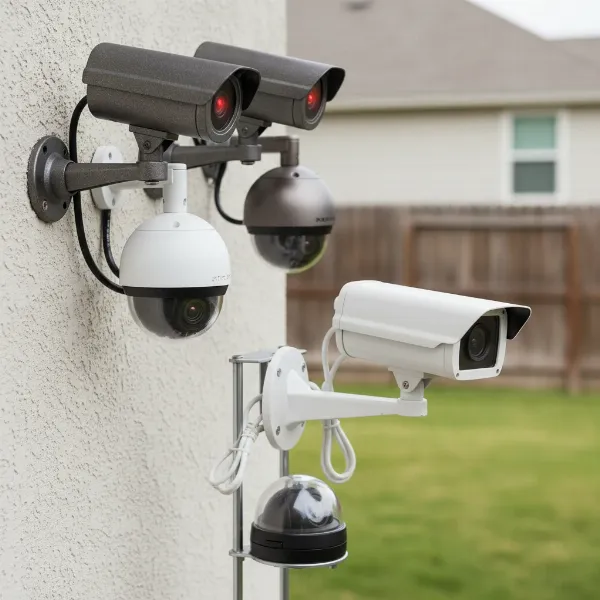 Diverse dummy security cameras, realistic housing, blinking LED, fake wires, modern designs.
Do Dummy Security Cameras Really Fool Burglars? The Effectiveness Debate
The effectiveness of dummy security cameras is a subject of ongoing debate. For the casual, opportunistic thief, the visible presence of a security camera, real or fake, can often be enough to make them think twice and seek an easier target. These individuals often prioritize a quick score and will avoid any perceived risk. However, the story changes when it comes to more experienced or determined burglars. Seasoned criminals are often adept at spotting fakes, looking for tell-tale signs such as a lack of proper wiring (where expected), unrealistic blinking lights (as many modern real cameras do not have constantly blinking LEDs), or simply cheap, unconvincing aesthetics.
The psychological impact is undeniable: a well-placed, realistic dummy camera can instill a sense of caution. Yet, it’s crucial to understand their limitations. While they can deter, they offer no actual surveillance, no recorded evidence, and no real-time alerts in the event of a breach. Therefore, while dummy cameras can be a valuable part of a layered security strategy, especially when budget is a concern, they should not be seen as a standalone solution or a complete substitute for real surveillance. Their true power lies in their ability to make a property appear less appealing to those looking for an easy target.
Types of Dummy Security Cameras
Just like their functional counterparts, dummy security cameras come in various designs and with different features, each suited for specific environments and deterrence goals.
By Design:
- Bullet Cameras: These are typically cylindrical and extend outwards from a wall or ceiling mount. Their distinctive shape makes them easily recognizable as surveillance devices. Dummy bullet cameras often replicate popular professional models, making them a convincing choice for outdoor perimeter deterrence.
- Dome Cameras: Characterized by their dome-shaped housing, these cameras are often found indoors or in covered outdoor areas like porches. Their design makes it difficult to determine the camera’s exact field of view, adding an element of uncertainty for potential intruders. Fake dome cameras are popular for a discreet yet effective presence.
- Doorbell Cameras: Mimicking smart doorbell systems, these decoys are designed to be installed near entryways. They capitalize on the popularity of video doorbells, which combine surveillance with access control. A dummy doorbell camera can effectively deter porch pirates and unwelcome visitors.
|
Our Picks for the Best Security Camera in 2026
As an Amazon Associate I earn from qualifying purchases.
|
||
| Num | Product | Action |
|---|---|---|
| 1 | WYZE Cam Pan v3 Indoor/Outdoor IP65-Rated 1080p Pan/Tilt/Zoom Wi-Fi Smart Home Security Camera with Color Night Vision, 2-Way Audio, Compatible with Alexa & Google Assistant, White, 2-Pack |

|
| 2 | TP-Link Tapo 1080P Indoor Security Camera for Baby Monitor, Dog Camera w/Motion Detection, 2-Way Audio Siren, Night Vision, Cloud & SD Card Storage, Works w/Alexa & Google Home (Tapo C100) |
|
| 3 | Google Nest Cam with Floodlight - Outdoor Camera - Floodlight Security Camera, White, 1 Count (Pack of 1) |
|
| 4 | 2K Cameras for Home Security-Outdoor/Indoor Camera for Dog/Cat/Pet/Nanny/Baby/Elderly, Color Night Vision, White Light, Siren, 24/7 SD Recordings, Works with Alexa, Plug in (C1-White-2pack-2.4G) |
|
| 5 | aosu Security Cameras Outdoor Wireless, 4 Cam-Kit, No Subscription, Solar-Powered, Home Security Cameras System with 360° Pan & Tilt, Auto Tracking, 2K Color Night Vision, Easy Setup, 2.4 & 5GHz WiFi |
|
| 6 | Google Nest Cam Outdoor (Wired, 2nd Gen) - 2 Pack - Security Camera with 2K Video and Gemini, Night Vision, 2-Way Audio - Works with Google Home - 2025 Model - Snow |
|
| 7 | Tapo 2K+ Indoor/Outdoor Wired Security Camera - 2024 PCMag Editors' Choice, Person/Pet/Vehicle Detection, Baby Monitoring, Color Night Vision, Subscription-Free Local Storage or Optional Cloud, C120 |
|
| 8 | 2K No Drill Window Camera-2 Pack 2.4Ghz & 5Ghz WiFi Cameras for Home Security for Indoor & Outdoor Monitoring, Anti-Glare Color Night Vision, Human Detection, 24/7 Recording, Ideal for Apartment, K1 |
|
| 9 | WYZE Bulb Cam Security Camera, 2K HD Outdoor Light Bulb Camera, Color Night Vision, Dimmable LED Bulb, Motion Detection, Siren Alarm, Works w/Alexa/Google Assistant. Free Expert Support |
|
| 10 | Tapo 1080P Indoor Pan/Tilt Wired Security Camera - Works as a Baby & Pet Monitor, Motion Detection, 2-Way Audio, Siren, Night Vision, Subscription-Free Local Storage or Optional Cloud, Black, C201 |
|
By Power Source/Features:
- Battery-Powered (with Blinking LEDs): Many dummy cameras rely on AA or AAA batteries to power a blinking red LED light. This light is intended to simulate an active recording indicator, enhancing the illusion of functionality. While convincing to some, it’s worth noting that not all real modern security cameras feature constantly blinking lights.
- Solar-Powered: For outdoor applications, solar-powered dummy cameras offer the convenience of continuous operation without manual battery changes. They often include a small solar panel that charges internal rechargeable batteries, powering an LED light. This feature also adds to their realism by suggesting a self-sufficient power source.
- Motion-Sensor Integration: Some advanced dummy cameras integrate motion-sensing LED lights. These models combine the visual deterrent of a camera with the startling effect of a sudden bright light when motion is detected, further increasing their effectiveness, especially at night.
Key Features to Look for in a Realistic Dummy Security Camera
To maximize the deterrent effect, a dummy security camera must be highly realistic. Here are the key features to consider:
- Realistic Housing: The material and finish of the camera are crucial. Look for durable, professional-looking plastics or even metal components that resemble high-end surveillance equipment. Cheap, flimsy plastic can easily give away a fake.
- Visible Cables (Optional): While many modern real cameras are wireless, some high-security systems still use wired connections. A fake camera with a short, convincing power or video cable can add an extra layer of realism, especially if it appears to run into a wall. However, if you are aiming for a “wireless” aesthetic, this might be omitted.
- Blinking LED Light: This is a common feature in dummy cameras, designed to simulate an “on” or “recording” indicator. While effective for basic deterrence, be aware that many modern IP cameras do not have constantly blinking lights, so this feature can sometimes inadvertently reveal a fake to a more knowledgeable intruder.
- Branding & Decals: Dummy cameras that incorporate realistic branding or come with security system decals can significantly boost their credibility. A decal stating “24-Hour Surveillance” or a recognizable security brand logo can reinforce the perception of a professionally monitored system.
- Adjustable Mounts: The ability to adjust the camera’s angle and direction is essential for realistic placement. A fixed camera pointing haphazardly will look less convincing than one strategically aimed at an entry point or vulnerable area.
- Weather Resistance: For outdoor installations, a weather-resistant casing (often with an IP rating) is critical to ensure the dummy camera maintains its realistic appearance and functionality (e.g., for LED lights) over time, enduring various environmental conditions.
- IR Illuminators (Appearance): The presence of fake infrared (IR) LEDs around the lens can make a dummy camera appear to have night vision capabilities, further enhancing its realism, particularly for cameras intended for outdoor use.
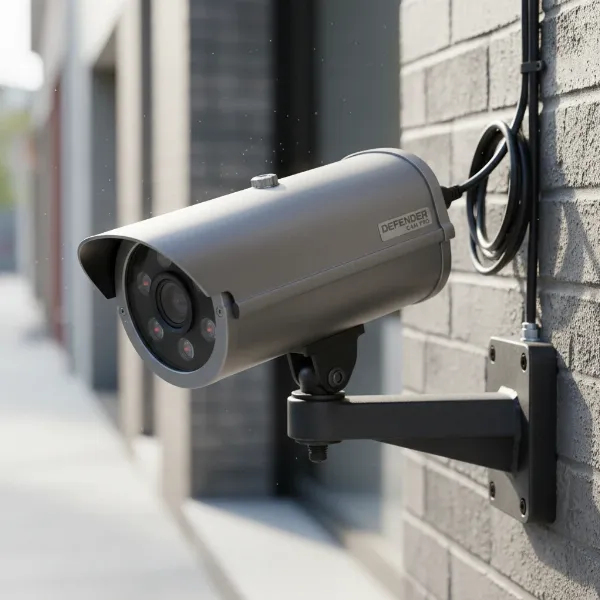 Close-up of a highly realistic dummy security camera with visible cables, IR lights, and professional casing.
Comparing Dummy Security Cameras and Real Security Cameras
Understanding the fundamental differences between dummy and real security cameras is essential for making informed security decisions.
| Feature | Dummy Security Camera | Real Security Camera |
|---|---|---|
| Functionality | Visual Deterrent | Records, Monitors, Alerts, Two-Way Audio |
| Cost | Low (typically under $50) | Moderate to High (hundreds to thousands) |
| Installation | Simple, DIY (screws, tape) | More complex, often professional needed |
| Evidence | None | Video footage for identification |
| Maintenance | Battery changes (if applicable), cleaning | Software updates, storage management, cleaning |
| Power | Batteries, Solar | Wired (PoE), Wi-Fi, Batteries |
| Effectiveness | Deters some opportunists, psychological | Comprehensive security, provides evidence, active monitoring |
| Connectivity | None | Wi-Fi, Ethernet, Cellular |
How to Choose the Best Dummy Security Camera: A Buying Guide
Selecting the right dummy security camera involves more than just picking the cheapest option. A strategic approach will maximize its deterrent potential.
Assess Your Needs:
Begin by identifying where the camera will be placed. Is it for indoor or outdoor use? Are you looking to deter a specific type of threat, like porch pirates, or simply enhance overall property security? Consider the areas most vulnerable to intrusion, such as front doors, backyards, garages, or windows. Your budget will also play a role, but remember that a slightly more expensive, realistic model is often a better investment than a cheap, easily spotted fake.
Prioritize Realism:
The more a dummy camera resembles a genuine surveillance device, the more effective it will be. Look for models that mimic popular, modern security camera brands and designs. Consider the material, finish, and weight—does it feel like a real camera? If you already have real cameras, try to match their style to create a cohesive, more intimidating presence. Features like fake wires, adjustable mounts, and a professional-looking casing contribute significantly to realism.
Consider Additional Deterrents:
Dummy cameras work best when integrated into a broader security strategy. Pairing them with motion-activated lighting can create a powerful deterrent. When an intruder approaches, the light suddenly illuminates, drawing attention, while the dummy camera appears to be “capturing” the event. Security signs or window decals indicating “24-Hour Surveillance” can also reinforce the impression of a robust security system.
Read Reviews:
Before purchasing, take the time to read customer reviews. Pay attention to comments regarding the camera’s realism, durability, and how well it stands up to outdoor conditions if applicable. Reviewers often share insights on how convincing the product truly is in real-world scenarios.
Installation Ease:
Most dummy cameras are designed for simple, DIY installation. Ensure the chosen model comes with all necessary mounting hardware and clear instructions. Some offer peel-and-stick options for quick setup, while others require drilling for a more secure and permanent fixture.
Top Picks: Best Dummy Security Cameras on the Market
Based on realism, features, and user feedback, several dummy security cameras stand out for their ability to convincingly deter.
- WALI Bullet Dummy Fake Security Camera: Often comes in multi-packs, these bullet-style cameras offer a convincing metallic look and include warning stickers, making them ideal for covering multiple exterior points.
- GE Interior/Exterior Simulated Security Camera: A trusted brand name lends credibility. These models typically feature a realistic bullet design, often with a blinking LED and a rotatable head for versatile positioning, suitable for both indoor and outdoor use.
- Swann Imitation Security Camera: Swann is a well-known name in actual security systems, so their imitation cameras benefit from brand recognition. These models typically replicate modern bullet cameras, providing a professional appearance without a blinking light, aligning more with some modern real cameras.
- WALI Dummy Fake Security Dome Camera: For areas where a dome camera is more appropriate, like porches or indoor ceilings, these models offer a sleek, modern look. They often include a blinking LED and can be easily mounted.
- BNT Solar Powered Fake Security Cameras: These cameras combine realism with eco-friendly power. Featuring functional solar panels and often a red LED that illuminates at night, they are particularly convincing for outdoor, off-grid placement, reducing the need for battery changes.
Maximizing the Effectiveness of Your Dummy Security Cameras
Simply mounting a fake camera isn’t enough. Strategic planning and maintenance are key to making it a truly effective deterrent.
- Strategic Placement: Position cameras in highly visible locations that cover common entry points such as front doors, back doors, garage entrances, and ground-floor windows. Ensure the camera appears to be monitoring a significant area. Avoid placing them in obscure corners where a real camera would be ineffective or easily overlooked.
- Combine with Other Security Measures: Dummy cameras are most potent when part of a multi-layered security approach. Integrate them with motion-sensor lights that activate when someone approaches. Displaying security system signs, even generic ones, alongside the cameras further reinforces the impression of active surveillance. For ultimate peace of mind, consider having at least one real, active security camera hidden or prominently displayed, creating a comprehensive system.
- Maintain Appearance: Dust, cobwebs, or obvious signs of neglect can quickly expose a dummy camera as fake. Regularly clean your simulated cameras to ensure they maintain a professional and operational appearance. If your dummy camera uses batteries for a blinking LED, replace them promptly when they run out to keep the illusion alive.
- Vary Types: If you’re using multiple dummy cameras, consider varying the types (e.g., a mix of bullet and dome cameras). This gives the impression of a more sophisticated, customized security system rather than a uniform, off-the-shelf fake setup.
Common Myths and Questions About Dummy Cameras
Many misconceptions surround dummy security cameras. Addressing these can help you make a more informed decision.
- “Do real cameras blink red constantly?” Not necessarily. While some older or cheaper real cameras might have a constantly blinking status LED, many modern IP cameras do not. In fact, a constantly blinking red light can sometimes be a giveaway to an experienced burglar that the camera is fake. Real security cameras often use infrared (IR) LEDs for night vision, which glow red but usually aren’t constantly blinking in an obvious way.
- “Can dummy cameras make your home a bigger target?” If poorly implemented, yes. A cheap, obviously fake camera can signal to a professional burglar that you have something valuable worth protecting but lack a serious security system, potentially making your home an easier target than one with no security presence at all. Realism is paramount.
- “Is it illegal to install a fake camera?” Generally, no, it is not illegal to install a fake camera on your own property as long as it respects privacy laws. This means ensuring it doesn’t invasively “monitor” neighboring properties or public spaces where there’s an expectation of privacy.
- “How long do batteries last in dummy cameras?” For models with blinking LEDs, battery life typically ranges around six months, depending on the battery type and environmental conditions (cold weather can shorten life). Solar-powered models eliminate the need for frequent battery changes.
Conclusion
Dummy security cameras serve as an accessible and affordable first line of defense, offering a psychological deterrent that can effectively ward off opportunistic burglars. While they cannot provide the tangible evidence or real-time alerts of a functional surveillance system, their ability to create the impression of a monitored property is a significant benefit for many homeowners. Key to their success is realism – from professional-looking housing and strategic placement to integrating them with other simple security measures like motion lighting and warning signs.
Ultimately, dummy Security Cameras are best viewed as a complementary tool in a broader home security strategy, rather than a standalone solution. By choosing realistic models and deploying them thoughtfully, you can enhance your property’s perceived security and gain valuable peace of mind. Consider your specific needs and combine these faux guardians with practical steps to create a more secure environment for you and your loved ones.