Finding the Best Battery Powered Security Camera can feel like a game-changer for home security. Gone are the days of drilling massive holes through walls or being tethered to the nearest power outlet. But with this newfound freedom comes a new set of questions. How long does the battery really last? Is the video quality any good? Let’s be honest, you want peace of mind, not another device to constantly worry about charging. I’ve been in your shoes, and my goal here is to cut through the noise and give you the straight-up, practical advice you need to make a smart choice.
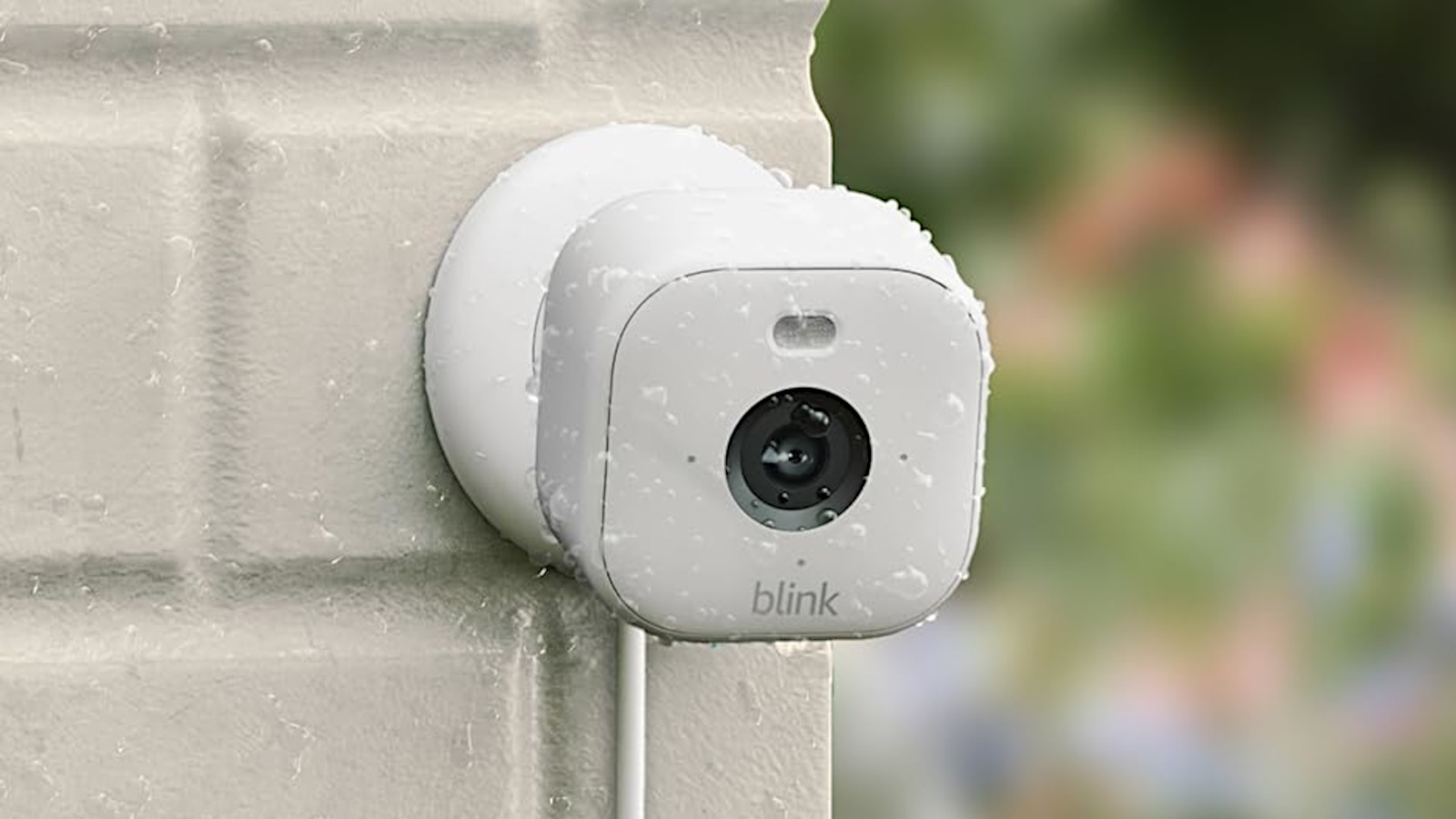
Why Go Wire-Free? The Freedom of a Battery Powered Security Camera
The primary appeal is brilliantly simple: flexibility. A battery powered security camera can be placed virtually anywhere within your Wi-Fi’s reach. Think about those tricky spots—a tree in the backyard overlooking the fence, the front of a detached garage, or even inside your home to keep an eye on a new puppy without running unsightly cables.
I remember my first wire-free camera installation. I wanted to monitor a back gate that was a good 50 feet from the house. Drilling wasn’t an option. Within 15 minutes, I had a high-definition camera mounted and running, a feat that would have taken hours and a lot of frustration with a traditional wired system. This “install-it-and-forget-it” convenience is the core reason so many people are making the switch.
These cameras are perfect for:
- Renters: No drilling means no issues with your landlord.
- Historical Homes: Preserving the integrity of old walls is paramount.
- Outdoor “Dead Zones”: Securing sheds, barns, or distant entry points.
- Temporary Setups: Monitoring a construction site or a pop-up shop.
What Are My Options? Key Types to Consider
Not all battery cameras are created equal. They generally fall into a few categories, and understanding the difference is key to finding the right fit for your needs.
Indoor vs. Outdoor Cameras
This is the most fundamental distinction. While you can use an outdoor camera indoors, you almost never want to do the reverse.
- Outdoor Cameras: These are the tough guys. They are built to withstand the elements—rain, snow, heat, and dust. Look for an IP (Ingress Protection) rating, like IP65 or higher. This number tells you how well it’s sealed against solids and liquids. An outdoor best battery powered security camera is a must for driveways, porches, and backyards.
- Indoor Cameras: These are typically smaller, more discreet, and don’t require weatherproofing. They are perfect for monitoring entryways, living rooms, or nurseries. They often have features more suited for inside, like two-way audio that’s clearer without wind interference.
Standalone vs. System-Based Cameras
- Standalone: A single camera that works on its own, connecting directly to your Wi-Fi and managed through an app. This is the most common and user-friendly option.
- System-Based: These cameras connect to a central hub or base station, which then connects to your router. The advantage here is often better battery life (as the hub does some of the heavy lifting) and the option for local storage on the base station itself.
How Do I Choose the Best Battery Powered Security Camera?
Alright, let’s get into the nitty-gritty. When you’re comparing models, these are the features that will make or break your experience.
Battery Life: The Achilles’ Heel?
This is the number one concern, and for good reason. Manufacturers’ claims of “six months” or “one year” are based on ideal, low-traffic conditions. In a busy area, like a front door with constant deliveries and foot traffic, expect that to be significantly less.
What to look for:
- Rechargeable vs. Replaceable: Most modern cameras use rechargeable lithium-ion packs. They’re convenient and cost-effective over time.
- Solar Panel Compatibility: This is a massive win. Many brands offer a small, optional solar panel that can keep the battery topped up indefinitely with just a few hours of direct sunlight per day. It turns a good camera into a great, set-and-forget system.
- Battery Size (mAh): A higher mAh (milliamp-hour) rating generally means a longer life between charges, all other things being equal.
Video Quality: Seeing is Believing
What’s the point of a camera if you can’t make out a face or a license plate?
- Resolution: 1080p (Full HD) is the standard and perfectly adequate for most homes. 2K or 4K offers more detail, allowing you to zoom in digitally without the image turning into a pixelated mess.
- HDR (High Dynamic Range): This feature helps balance the light and dark areas of a shot. It’s crucial for outdoor cameras where you might have bright sunlight and deep shadows in the same frame.
Night Vision: Who Goes There in the Dark?
Security threats don’t stop when the sun goes down.
- Infrared (IR) Night Vision: This is the classic black-and-white night vision. It uses infrared LEDs to illuminate the scene, invisible to the human eye but clear as day for the camera.
- Color Night Vision: A more advanced feature that uses ambient light or a small, built-in spotlight to produce a full-color image at night. This can be invaluable for identifying the color of clothing or a car.
Expert Tip: As security consultant David Chen advises, “A spotlight that activates with motion is more than just a camera feature; it’s an active deterrent. An intruder suddenly bathed in light is far more likely to flee than one who is just being silently recorded.”
Smart Features: Motion Detection and Beyond
A smart camera doesn’t just record; it alerts you to what matters.
- PIR Motion Sensor: A Passive Infrared (PIR) sensor detects body heat, which is far more reliable for distinguishing a person from a tree branch swaying in the wind. This is a must-have for a best battery powered security camera to conserve battery.
- Customizable Activity Zones: This allows you to draw boxes around specific areas in the camera’s view (like a walkway) and ignore motion everywhere else (like a busy street).
- AI Detection: More advanced cameras use AI to tell the difference between people, packages, animals, and vehicles. This dramatically reduces false alarms.
Storage Wars: Cloud vs. Local
Where do your recordings go? You have two main options.
| Feature | Cloud Storage | Local Storage (SD Card) |
|---|---|---|
| Accessibility | Access footage from anywhere with an internet connection. | Need to physically access the camera/hub to retrieve the card. |
| Security | Safe from theft; if the camera is stolen, footage is secure. | If the camera is stolen, you lose the evidence with it. |
| Cost | Usually requires a monthly subscription fee. | One-time cost for the microSD card. |
| Convenience | Easy to share clips directly from the app. | Can be more cumbersome to download and share. |
Many of the best systems offer both, giving you the ultimate flexibility.
Where Should I Install My Camera for Maximum Effect?
Placing your camera correctly is just as important as buying the right one. A great camera in a bad spot is a waste of money.
- Height is Might: Mount your camera 8-10 feet off the ground. This is high enough to get a good overview and prevent it from being easily tampered with, but low enough to capture clear facial details.
- Angle of Attack: Angle the camera down slightly. This helps focus on the immediate area and reduces “sky” in the shot, which can throw off the exposure.
- Cover the Basics: Prioritize all ground-floor points of entry: front door, back door, and any accessible windows.
- Watch the Driveway: A camera overlooking your driveway can capture cars and people approaching your property long before they reach the door.
- Avoid Direct Sunlight: Pointing a camera directly at the rising or setting sun will blow out the image and can damage the sensor over time.
Frequently Asked Questions
How long do the batteries in security cameras really last?
It varies wildly based on usage. In a low-traffic area, you might get 3-6 months. At a busy front door, it could be as little as 3-4 weeks. If battery life is a major concern, investing in a solar panel is highly recommended.
Do battery powered security cameras work without Wi-Fi?
Most do not. They require a stable Wi-Fi connection to send motion alerts and upload video clips to the cloud or your phone. Some models can record locally to an SD card during an internet outage, but you won’t get live views or notifications.
Are battery powered cameras less secure than wired ones?
Not inherently. The security of the camera depends on the manufacturer’s encryption standards for data transmission and storage. Always choose a reputable brand and use a strong, unique password for your account.
Is cloud storage necessary for a battery powered camera?
It’s not strictly necessary if your camera has local storage, but it is highly recommended. The ability to access your footage even if the camera is stolen or destroyed provides a critical layer of security.
Can these cameras record 24/7?
Generally, no. To conserve battery, they are designed to be motion-activated. They “sleep” in a low-power state and wake up instantly when the PIR sensor detects motion, record a clip, and then go back to sleep.
Your Final Checkpoint: Securing Peace of Mind
Choosing the best battery powered security camera is about more than just tech specs; it’s about reclaiming a sense of security in a way that fits your life. It’s about the freedom to protect the people and places you care about, without the limitations of wires. By focusing on the essentials—reliable battery life (with a solar option!), clear video quality, and smart, meaningful alerts—you can build a security system that works for you. Start exploring your options today and take that first simple, powerful step towards a more secure home.