So, you’ve decided it’s time to get serious about security. Smart move. You start browsing online or walk into a store, and immediately you’re faced with a choice that feels like the first big test: the classic, pointed bullet camera or the sleek, discreet dome camera. It’s the foundational question in the security world, and knowing the answer to What Is A Bullet Vs Dome Camera is the first step toward building a system that actually gives you peace of mind.
Don’t worry, I’ve been there. My first-ever security camera setup was a mix-and-match disaster because I picked based on looks alone. Let me save you the headache. Think of me as your guide. In this breakdown, we’re going to demystify these two popular camera types, cut through the technical jargon, and help you figure out which one is the perfect fit for your home or business.
First, A Quick Introduction to Our Contenders
Before we pit them against each other, let’s get a clear picture of who’s in the ring. While they both do the same basic job—record video—their design dictates everything from where you should install them to how people will react to them.
The Bullet Camera: The Obvious Deterrent
You know this one. It’s the quintessential security camera. Shaped like a “bullet” or a lipstick tube, it has a distinct, directional look. It’s mounted on a small arm, making it highly visible and easy to point directly at a specific target area, like a driveway, a gate, or a long hallway.
The Dome Camera: The Discreet Guardian
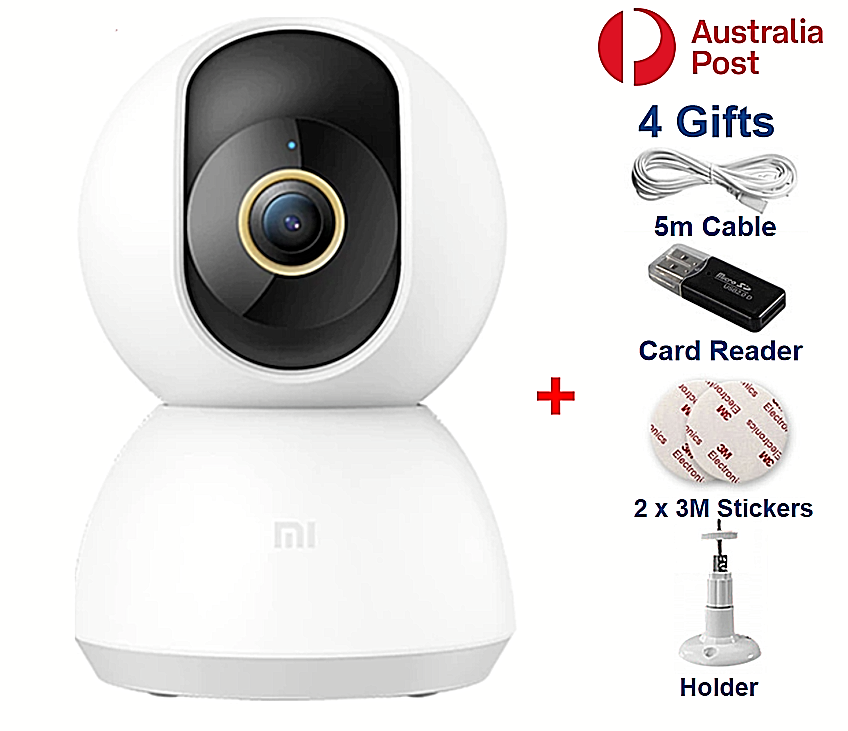
The dome camera is the bullet’s more subtle cousin. The camera lens and internal components are housed inside a protective, dome-shaped casing. This design is less obtrusive, blending more seamlessly into its surroundings, whether under the eaves of your home or on the ceiling of a retail store.
The Head-to-Head: Bullet vs Dome Camera Showdown
Alright, let’s get down to brass tacks. It isn’t about which one is “better” overall, but which one is better for a specific job. We’ll compare them on the factors that truly matter.
Installation and Ease of Mounting
This is often the first thing people think about. How hard is it going to be to get this thing on my wall?
- Bullet Cameras: Generally, bullet cameras are the winner for a simple DIY installation. Their mounting brackets are straightforward, allowing you to easily attach them to a wall or ceiling and then aim them precisely where you want. The visible arm makes adjustments a breeze.
- Dome Cameras: Dome cameras can be a bit trickier. They often require mounting flush against a surface, and you may need to remove the cover to adjust the lens direction. While not overly complicated, it’s a few more steps than the point-and-shoot nature of a bullet camera.
The Verdict: If you’re looking for the simplest possible installation, the bullet camera often takes the lead.
Visibility and Deterrence
Do you want potential intruders to know they’re being watched? Your answer to this question is a huge deciding factor.
- Bullet Cameras: These cameras are impossible to miss. Their prominent shape screams “You are on camera.” This makes them a powerful visual deterrent. A potential burglar might see your bullet cameras and decide to move on to an easier target.
- Dome Cameras: Domes are all about subtlety. Their low-profile design helps them blend in, making them ideal for indoor monitoring (like in a retail store or office) where you want surveillance without making people feel uncomfortable.
The Verdict: For maximum deterrence, the bullet camera is the undisputed champion. For discreet monitoring, the dome camera is your go-to.
Durability and Vandal Resistance
A camera is no good if it can be easily knocked down or disabled.
- Bullet Cameras: Because they protrude from the wall, bullet cameras can be more vulnerable. They offer a tempting target to be hit with an object or tampered with.
- Dome Cameras: This is where domes truly shine. Their sturdy casing, often made of metal, and the fact that the lens is protected behind a hard cover make them highly vandal-resistant. Many dome cameras come with an “IK rating,” which is a standardized measure of their resistance to impact. It’s much harder to knock a dome camera out of position.
“In a commercial or public-facing setting, I almost always recommend dome cameras for any area within reach. Their vandal-proof design is non-negotiable for preventing casual tampering and ensuring the system stays online when you need it most.” – David Chen, Security Systems Integrator
The Verdict: When it comes to toughness and resisting tampering, the dome camera wins by a knockout.
Field of View and Coverage
How much area can the camera see? This is a crucial aspect of the what is a bullet vs dome camera debate.
- Bullet Cameras: These are typically fitted with a fixed or varifocal lens designed for monitoring a specific, defined area from a distance. Think of them like a telephoto lens, perfect for watching a long driveway or a specific entrance.
- Dome Cameras: Domes often offer a wider field of view. They are designed to cover a broad area, like an entire room or a backyard patio, from a single point. This can often mean you need fewer cameras to cover the same amount of space.
The Verdict: For covering a wide, general area, the dome camera is usually more efficient. For zeroing in on a specific, distant target, the bullet camera is the specialist.
So, Which Security Camera Should I Choose?
By now, you should have a good idea of the strengths and weaknesses of each. Let’s make it even simpler. Here’s a quick checklist to help you decide.
Choose a Bullet Camera if:
- Deterrence is your top priority. You want to send a clear message to would-be intruders.
- You need to monitor a long, narrow area, like a driveway, a side yard, or a hallway.
- You’re a DIY enthusiast looking for the easiest possible installation process.
- The camera will be mounted high up, out of easy reach for potential vandals.
Opt for a Dome Camera if:
- You need discreet surveillance that blends into the environment, especially indoors.
- The camera might be within reach and needs to be vandal-resistant (e.g., front porch, storefront, warehouse).
- You want to cover a wide area, like a whole room, a patio, or a parking lot.
- Aesthetics matter, and you prefer a sleeker, less “in-your-face” look.
Frequently Asked Questions (FAQ)
Q1: Can bullet cameras be used indoors?
A: Absolutely. While they are very popular for outdoor use due to their deterrent effect, they work perfectly fine indoors, especially for monitoring long corridors or specific entry points in a larger space like a warehouse.
Q2: Are dome cameras better for night vision?
A: Not necessarily. Both types offer excellent night vision capabilities using infrared (IR) LEDs. However, some dome cameras have better IR reflection management due to their design, preventing the “white-out” effect if an object gets too close to the lens at night.
Q3: Which is more expensive, a bullet or a dome camera?
A: Prices are generally comparable. For any given set of features (resolution, night vision range, brand), you can usually find a bullet and a dome camera at a similar price point. The cost is driven more by the technology inside than the shape of the housing.
Q4: How do I know where the dome camera is pointing?
A: That’s part of their design! The tinted dome covers often make it difficult for people to tell the exact direction the lens is facing, which adds to their security effectiveness. This uncertainty prevents people from finding a “blind spot” to hide in.
Q5: Are wireless versions of both bullet and dome cameras available?
A: Yes, both styles are widely available in wired and wireless models. The choice between wired and wireless depends on your specific installation needs and network reliability, not on the camera’s shape.
The Final Verdict
In the end, the what is a bullet vs dome camera discussion doesn’t have a single winner. The champion is the one that best suits your unique security needs. Many of the best surveillance systems actually use a combination of both: bullet cameras standing guard over the perimeter and entrances as a visible deterrent, and dome cameras discreetly watching over wider areas like the backyard or interior common spaces.
By understanding their core differences, you’re no longer just buying a piece of hardware. You’re making a strategic decision to protect what matters most. Now you’re equipped with the knowledge to choose wisely and build a security system that brings you not just footage, but true peace of mind.